
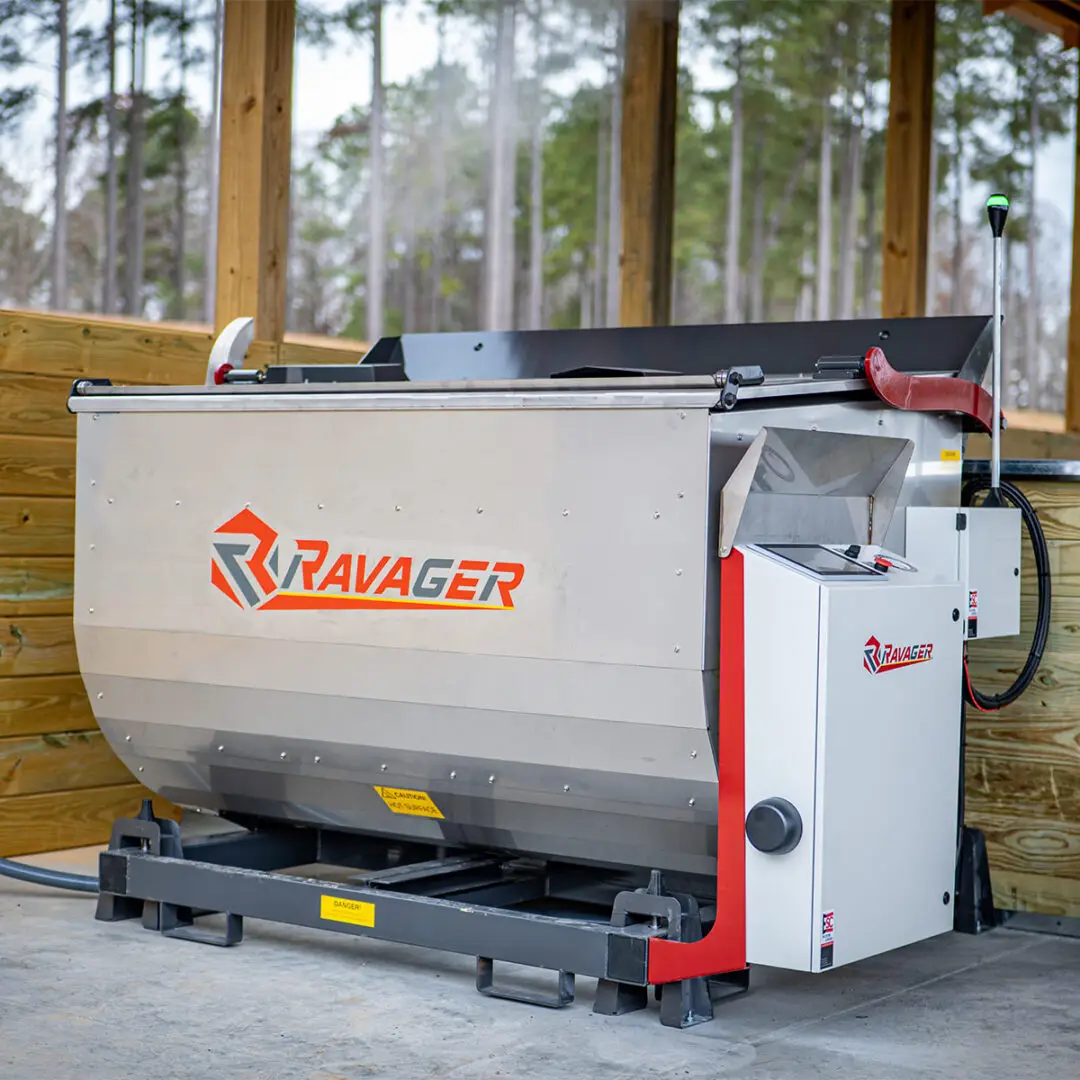

Dehydration halts disease spread by processing mortalities immediately on-site. Advanced thermal sterilization destroys pathogens at the source, producing a clean, dry by-product suitable for fertilizer.

No smoke, no runoff, no harmful emissions, only water vapor. Dehydration protects soil and groundwater and avoids the pitfalls of burial or incineration.

Works in hours, not weeks. One automated cycle processes up to 800 kg in about 24 -28 hours, keeping farms cleaner and safer year-round.

Typical energy use is ~110 kWh per 450 kg. Reduce freezer storage, hauling, and rendering fees while lowering labor demands.
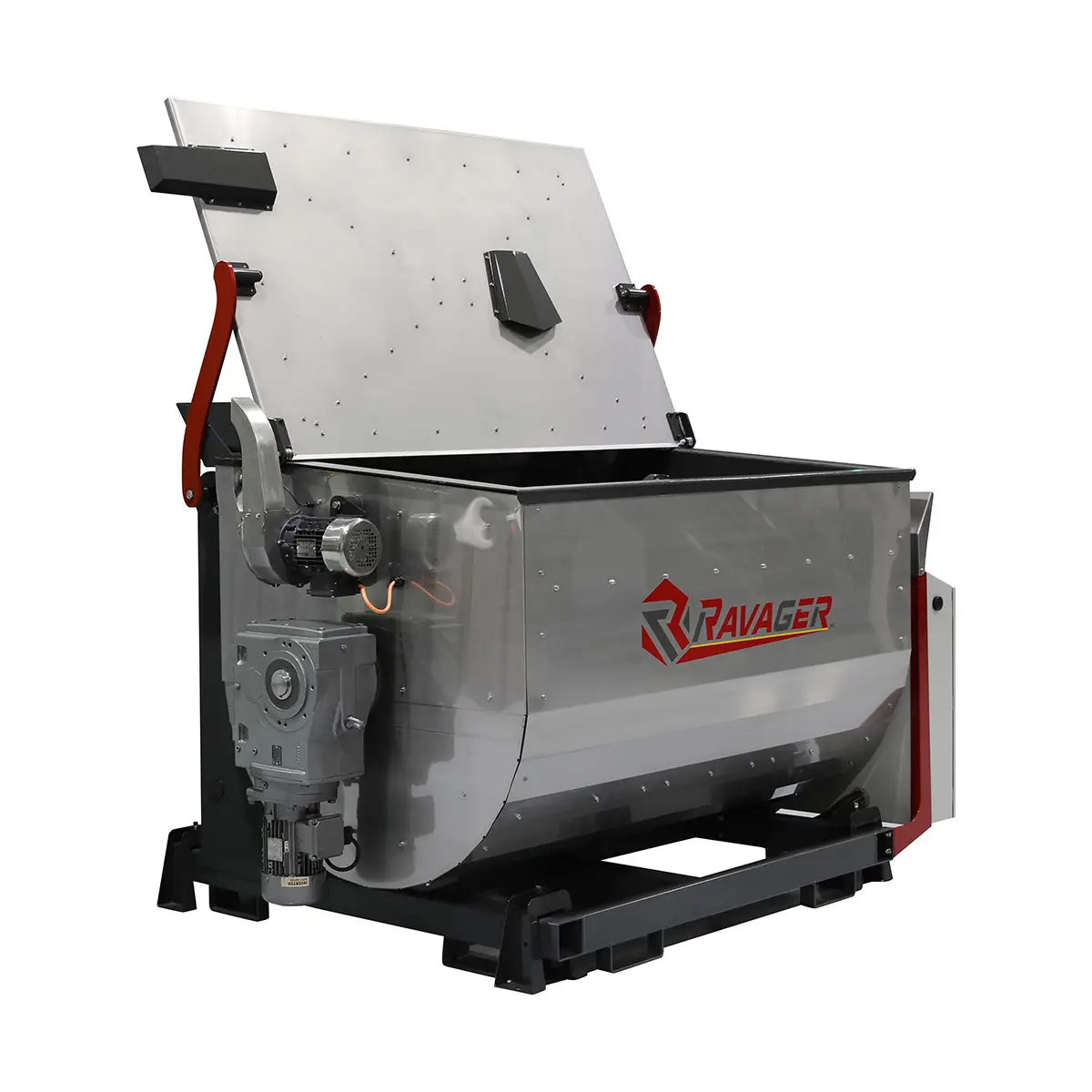
Hydraulic, full-width lid. Wide opening accepts a 152cm loader bucket for bulk loading; preset opening allows controlled unloading.
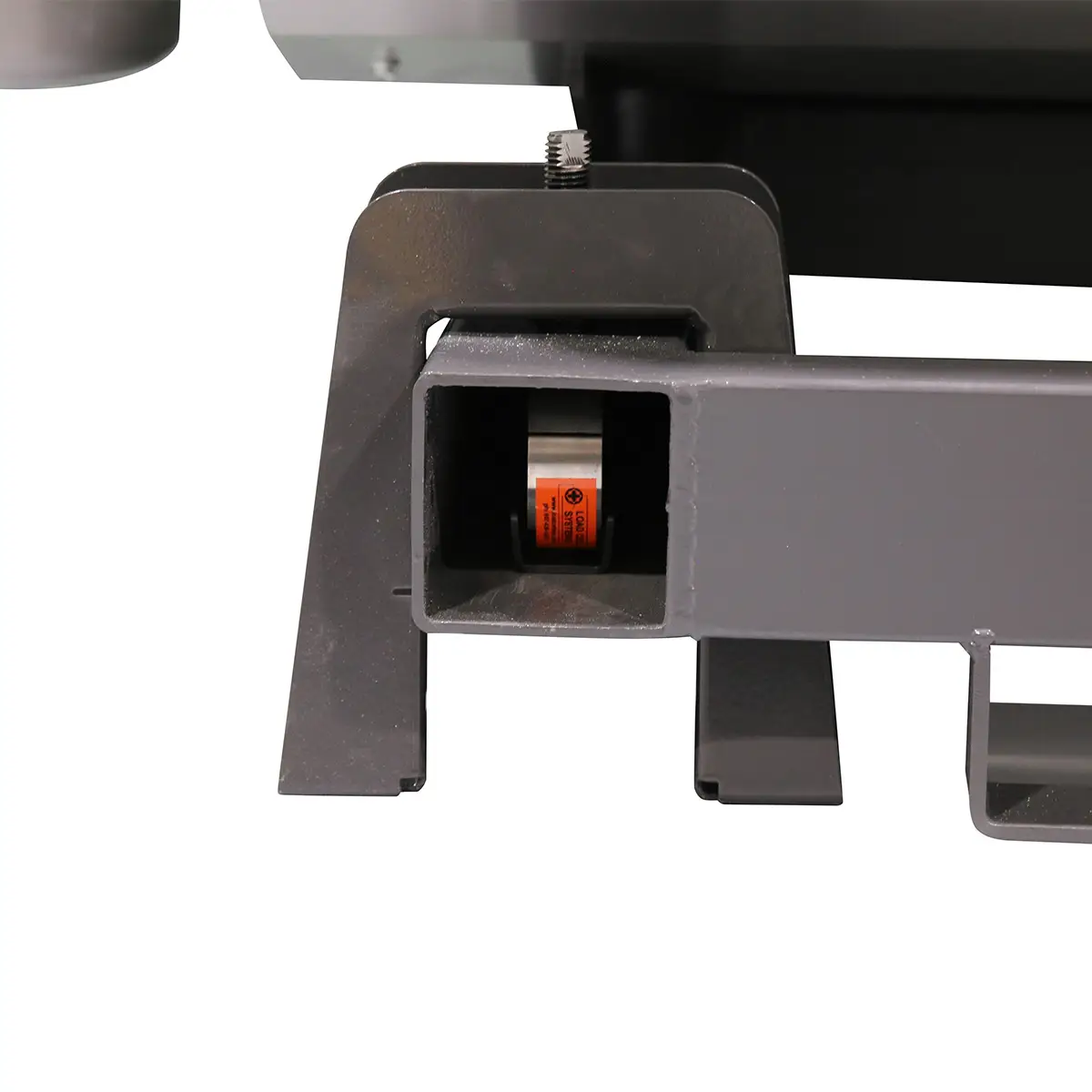
Retractable supports protect load cells and enable quick on-site leveling for accurate operation even on uneven ground.
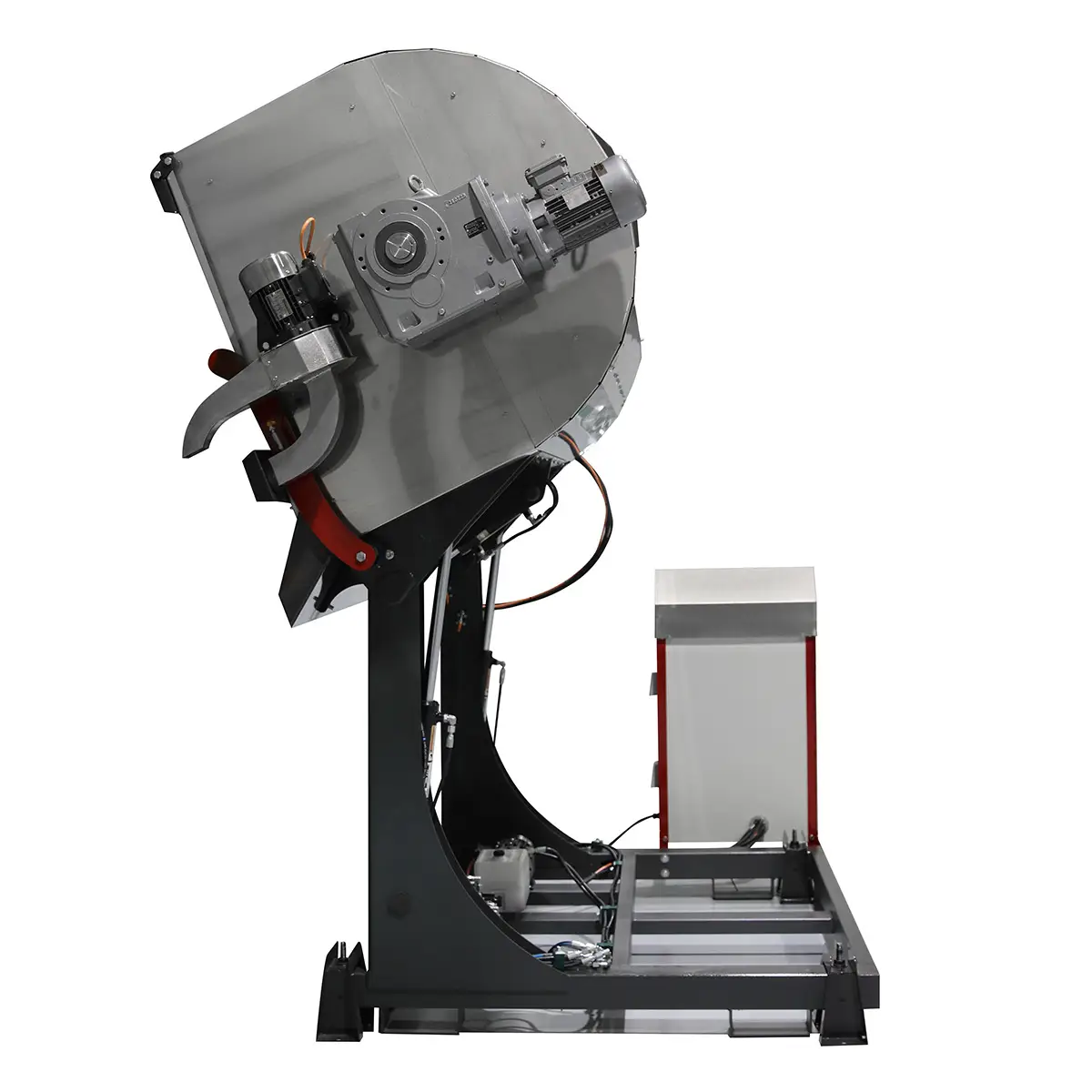
Hydraulic tilt empties the drum quickly and cleanly at any stage, eliminating shoveling and reducing biosecurity risks.
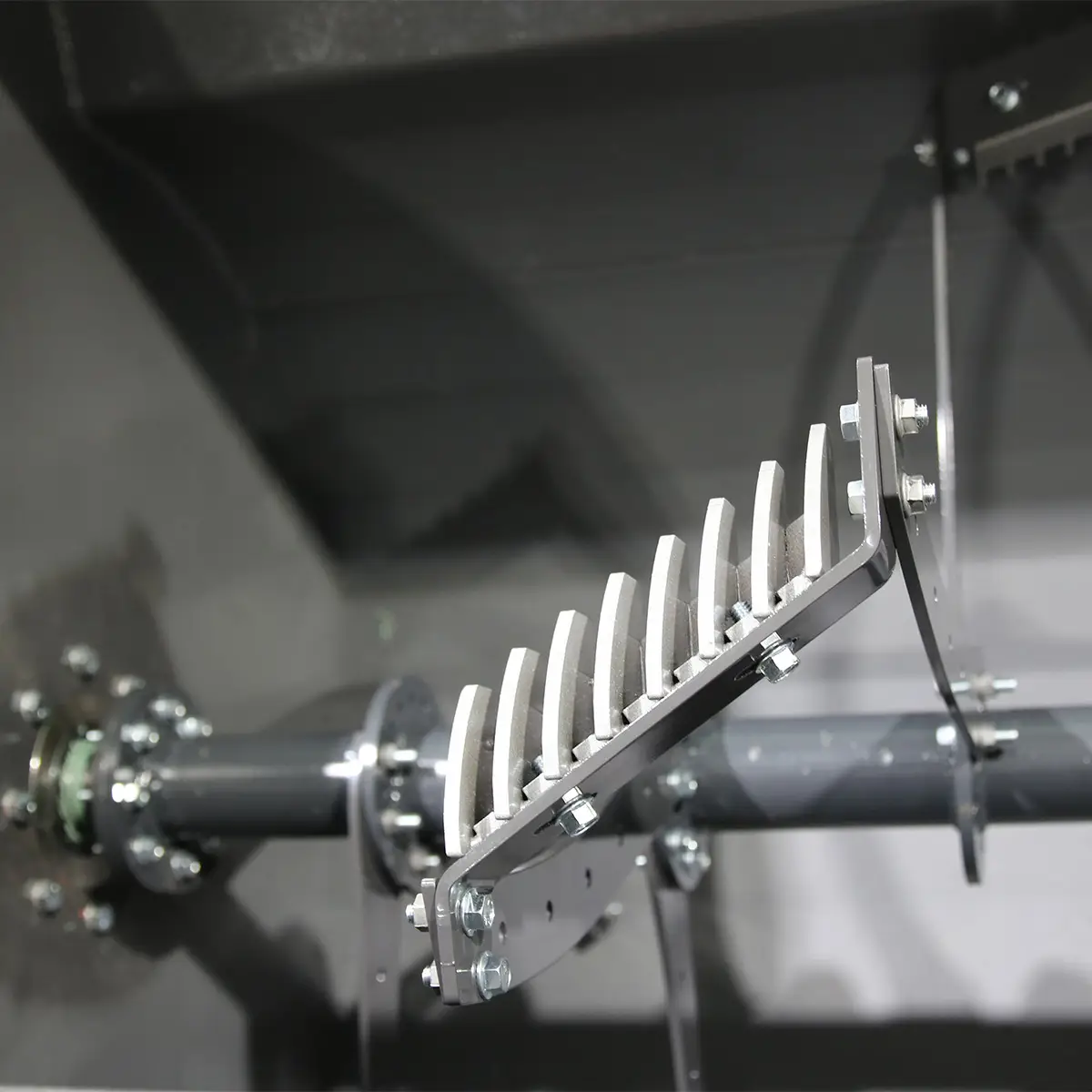
Heavy-duty paddles with crusher blocks reduce bones to 2,5-3,8 cm pieces for thorough, uniform sterilization.
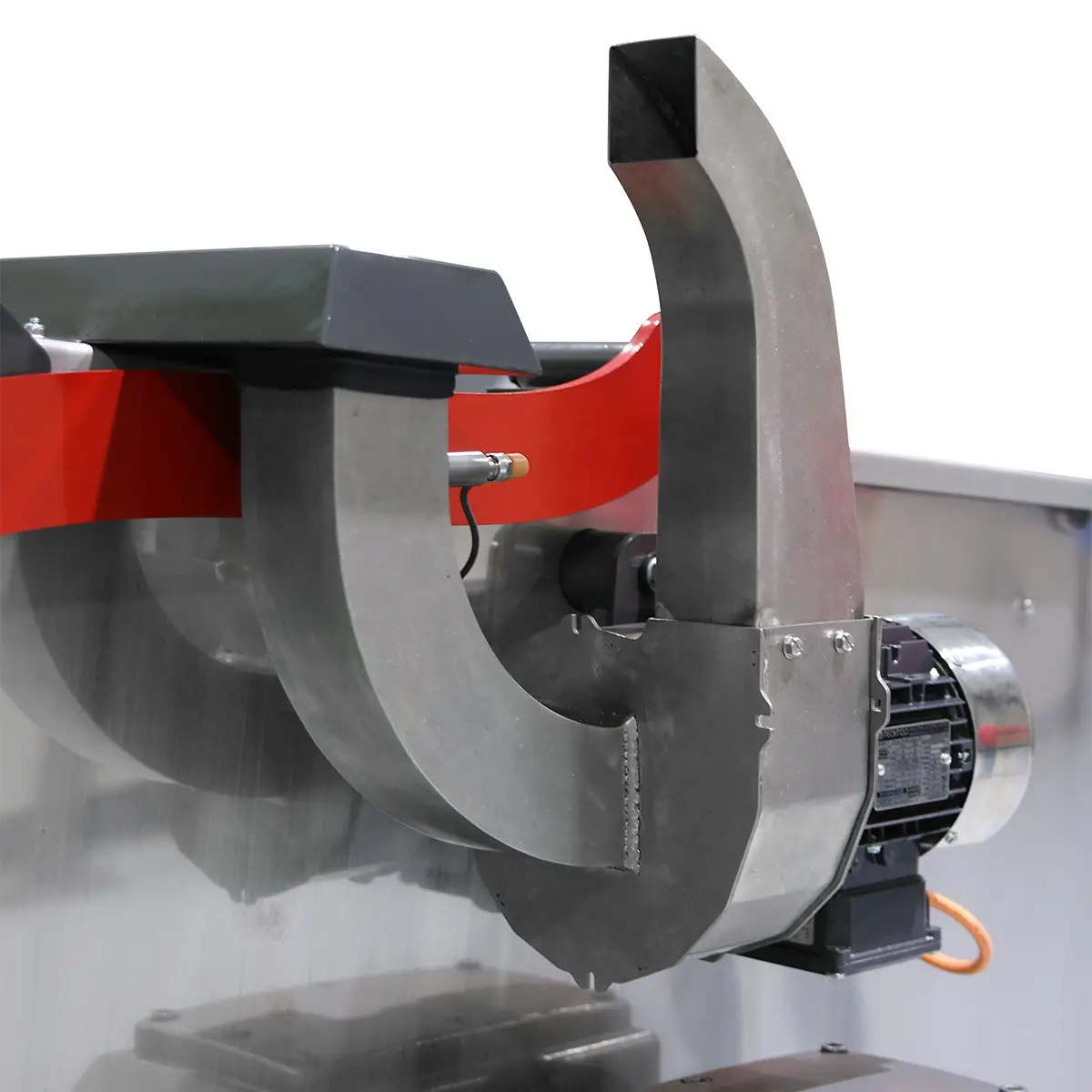
Active blower removes steam during the cycle, releasing only clean water vapor. No smoke, low odor, no harmful emissions.
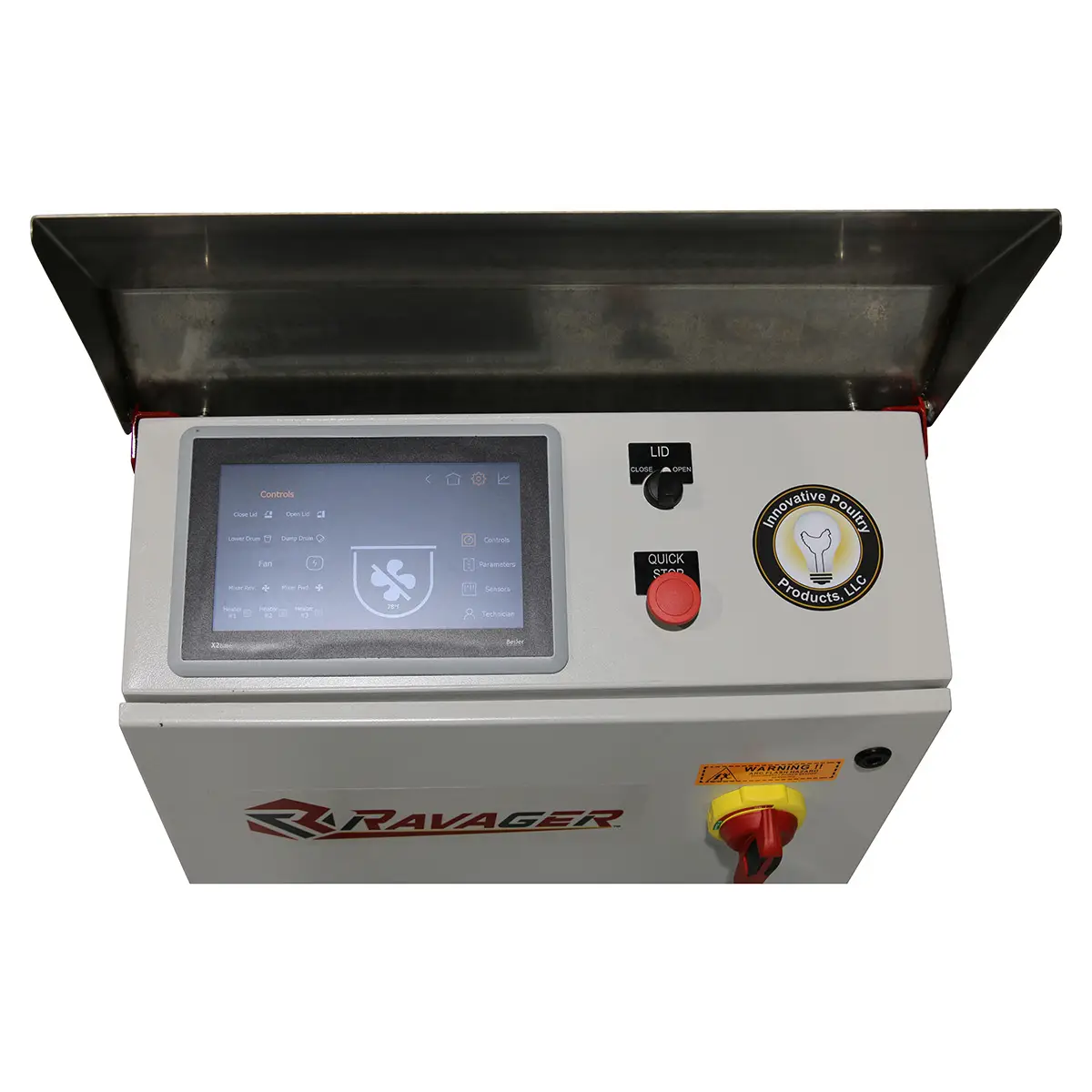
Built-in PLC automates heat, airflow, and mixing. Sensors track temperature, weight, and progress for push-button, repeatable performance.